Making the Switch to Artificial Grass in Leander
Living in Central Texas means dealing with heat, drought restrictions, and soil that often feels more like concrete than garden loam. I have spent years watching neighbors fight with brown patches and water bills that climb every summer. More and more homeowners in Leander are looking for a practical alternative, and what keeps coming up in conversation is artificial turf. It is not just about saving water, though that is a big part of it. The real draw is getting a usable, green space that stays consistent no matter what the weather throws at it.
When I first started looking into this for my own yard, I was skeptical. Fake grass used to mean shiny plastic blades that felt like a doormat. The new generation of turf is different. The fibers are softer, the colors are more natural, and the backing systems actually drain well. For homeowners who want a backyard that can handle kids, pets, and the occasional barbecue without turning into a mud pit, it makes sense. The company Cen-Tex Artificial Turf has been installing systems like this around the area, and their approach focuses on making the turf work with the local conditions rather than just rolling out a carpet and calling it done.
What Makes Leander a Good Fit for Artificial Turf
Leander sits on the edge of the Hill Country, which means rocky soil and lots of limestone. Growing a thick, lush lawn here takes serious effort. You either water constantly or you accept that your yard will look patchy for half the year. Artificial turf removes that trade-off entirely. Once it is installed, it stays green. There is no mowing, no fertilizing, and no irrigation system to maintain. For a family that wants to spend weekends at the lake or on the trails rather than pushing a mower, that is a real time saver.
I talked with a local installer who told me that the biggest surprise for most customers is how much better the turf feels underfoot compared to what they expected. The key is the infill. High-quality turf uses a mix of silica sand and rubber granules that sits between the blades, helping them stand upright and providing cushion. Without good infill, the turf flattens out and looks tired after a season. Cen-Tex Artificial Turf leander Artificial Turf installations usually include a proper infill layer that matches the use of the space. A play area for kids gets a deeper cushion. A dog run gets a different infill that helps with drainage and odor control. Those details matter.
Durability Through the Seasons
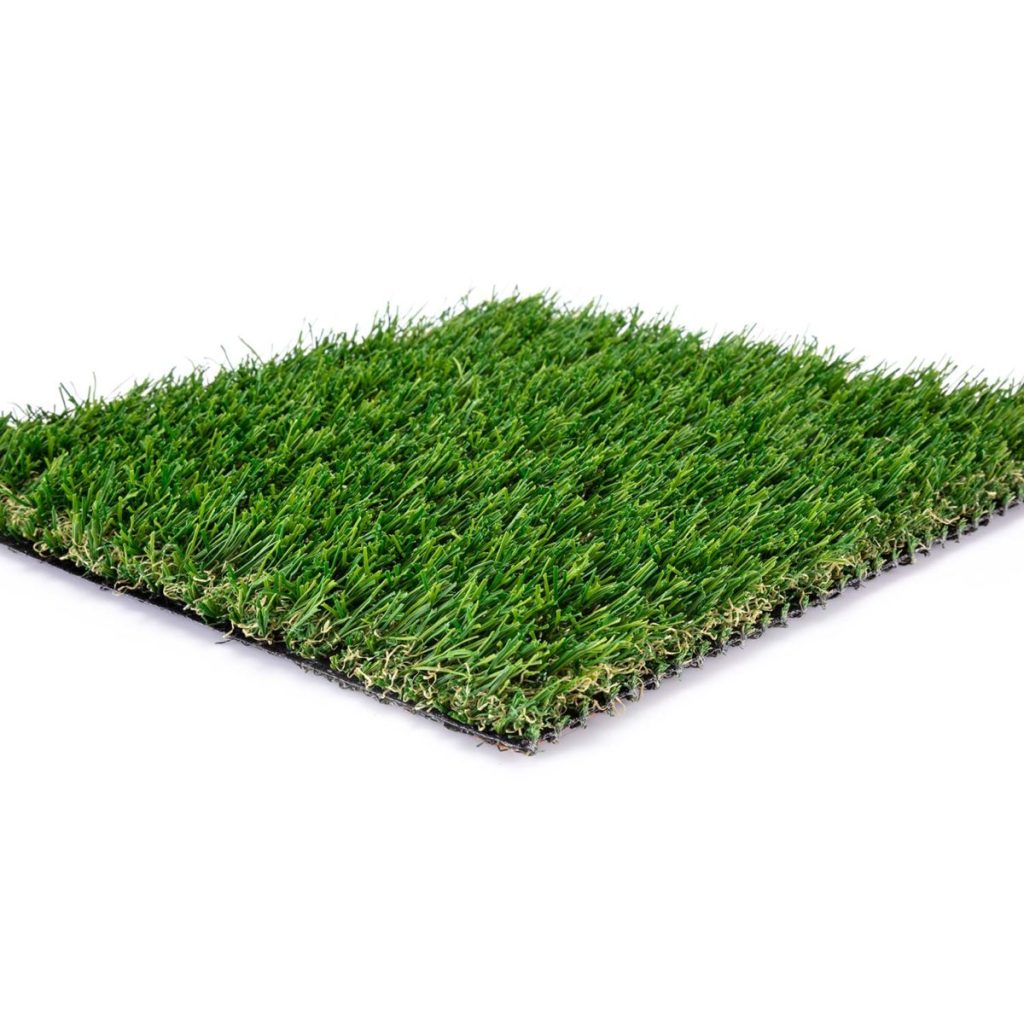
Central Texas weather is not gentle. We get scorching summers with temperatures over 100 degrees, and then we get freezes that can last for days. Natural grass struggles with both extremes. Artificial turf, when it is made with UV-stabilized yarns and a strong backing, holds up fine. The blades do not fade in the sun, and they do not turn to mush after a frost. I have seen installations that are five years old and still look nearly new. The only real wear comes from heavy traffic in a single spot, like under a swing set, but even that can be brushed back into shape with a stiff broom.
One thing that surprised me is how well modern turf handles rain. The old stuff had perforated holes that clogged easily, leading to puddles. Newer turf uses a woven backing with drainage channels that let water pass through quickly. After a heavy storm, the surface dries out in a couple of hours. That is a big deal if you have dogs or kids who want to go outside right after the rain stops. No more muddy paws or wet shoes tracking through the house.
Designing a Yard That Works for Your Family
Not every yard needs a full lawn replacement. Some homeowners in Leander are using artificial turf for specific zones: a putting green, a play area for toddlers, or a clean space around a pool. The material can be cut and shaped to fit odd angles and curved beds, which is helpful for the irregular lots you find in some Leander neighborhoods. I have seen installations that wrap around a patio and tie into a xeriscape garden with native plants and decomposed granite. The contrast between the green turf and the earthy tones of the rock looks intentional and modern.
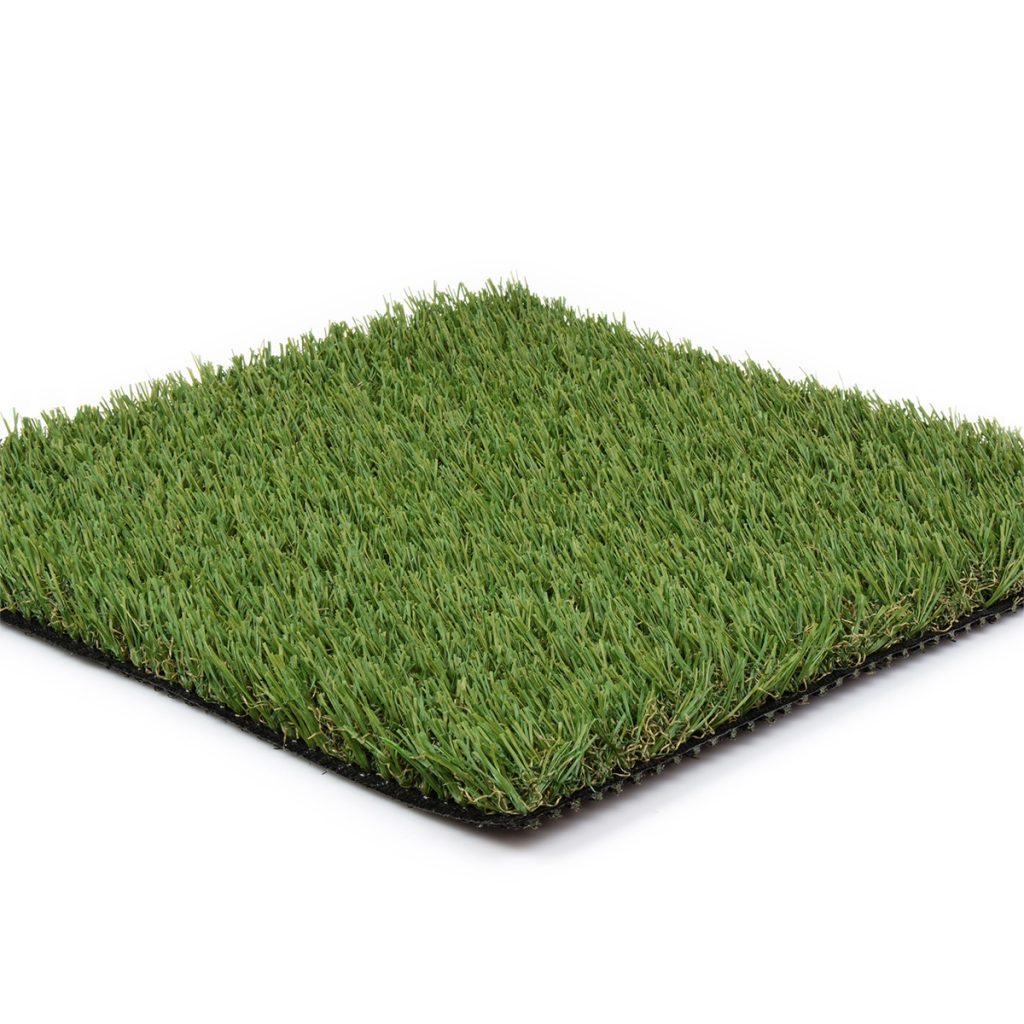
The brand Cen-Tex Artificial Turf leander Artificial Turf is one of the options that installers in the area work with, and the reason is that they offer a range of pile heights and densities. For a putting green, you want a shorter, denser blade that simulates a golf course surface. For a general lawn, a medium pile with a mix of green and tan blades looks more natural. The installers I spoke with recommend going with a face weight of at least 60 ounces per square yard for residential lawns. Anything lighter can look thin after a year or two of foot traffic.
Installation Matters as Much as the Turf Itself
You can buy the best turf in the world, but if the base preparation is sloppy, the final result will look bad and fail early. A proper installation starts with removing the existing grass and topsoil, usually about four inches deep. Then a layer of crushed rock or decomposed granite is compacted to create a stable base. On top of that goes a weed barrier, then the turf itself. The seams are glued together with a two-part adhesive, and the edges are secured with landscape staples or nails. The whole process takes a couple of days for an average yard, but it is work that pays off.
I have seen installations where the installer skimped on the base, and within a year the turf had developed dips and wrinkles. That is not the fault of the turf itself. It is poor preparation. A reputable company will dig deep enough and compact properly. When you hear about Cen-Tex Artificial Turf leander Artificial Turf installations, the emphasis is usually on getting the base right and using materials that drain well. That is what separates a good-looking lawn from one that looks like a cheap rug thrown over a parking lot.
Maintenance Is Simple but Not Zero
Artificial turf does require some upkeep, just not the kind that involves gas and fertilizer. Leaves and debris need to be blown off regularly, especially in the fall when live oaks drop their leaves. If you have pets, you will need to hose down the area where they go and use an enzyme cleaner to prevent odors. Some homeowners use a leaf blower and a quick spray once a week, and that is enough. Brushing the turf with a stiff-bristle broom every month or two keeps the blades from matting down and helps distribute the infill evenly.
One thing I did not expect is that artificial turf can get hot in direct sunlight. On a 100-degree day, the surface temperature can be significantly higher than natural grass. If you plan to use the turf as a play area for barefoot kids, consider installing it in a spot that gets some shade during the hottest part of the day, or plan to wet it down with a hose before using it. Some premium turfs now include reflective coatings or lighter colors that reduce heat absorption, but they cost more. It is a trade-off worth knowing about before you commit.
Is It Worth the Investment?
The upfront cost of artificial turf is higher than sod, no question. But when you factor in the water savings, the elimination of lawn care equipment, and the fact that the turf lasts 15 to 20 years with basic care, the numbers start to make sense. For a family in Leander who wants a yard that is always usable and never a chore, the investment is hard to beat. The key is to work with an installer who understands the local soil and climate, and who uses materials that are built to last.
After seeing a few installations up close and talking with homeowners who made the switch, I can say that the satisfaction rate is high. People wish they had done it sooner. The main regret I hear is not about the turf itself but about waiting too long to pull the trigger. If you are tired of watering and mowing and still not getting the yard you want, artificial turf is worth a serious look. It is not a compromise. It is a different approach to the same goal: a green, comfortable outdoor space that you can actually enjoy.
Follow Cen-Tex Artificial Turf on
 Instagram